
How to Search Osceola County Probate Records
Probate records run through the same Clerk case search used for other court files. The tool is called Benchmark. It pulls circuit court probate cases into one search. You can look by name or by case number. A name search uses a Last, First format. A case number is the cleanest path when you have it.
Before you search, decide what you know. The decedent's name often works well. A petitioner, guardian, or ward name works too. If two people share a name, the case number removes doubt. The case type filter narrows results to estate, trust, or guardianship matters.
- Open the search page at courts.osceolaclerk.com.
- Choose Name or Case Number as your search mode.
- Type the value. Use last name first for people.
- Pick a probate case type filter to cut down matches.
- Press Search and open a case to view its docket.
- Order a certified copy when you need one for legal use.
If an old estate does not show up, call the Clerk. Archived or restricted files may need staff help to pull.
What Probate Covers in Osceola County
Probate is the court process that settles what a person owns after death. It moves assets to heirs or named beneficiaries. It also pays valid debts and taxes from the estate. In Osceola County, the probate division handles these cases along with guardianships and some trust matters.
Not every death needs full probate. Small estates may use a faster path. Larger or contested estates need formal steps and court oversight. The court appoints a personal representative to manage the estate. That person gathers assets, gives notice to creditors, and files reports with the Clerk. When debts are paid and assets are distributed, the court closes the case.
Note: Probate is a court matter, not a clerk service alone. The Clerk keeps the file, but a judge in the probate division reviews petitions, appointments, and the close of an estate.
The Probate Division of the Circuit Court
Florida does not elect a separate probate court. Instead, probate is a division of the circuit court. Osceola County sits in the Ninth Judicial Circuit. A circuit judge assigned to the probate division hears these cases. The Osceola Clerk of Court keeps and indexes the records.
This setup matters when you search. You will not find a stand-alone probate court website. The estate files live in the Clerk's court case system with civil, family, and criminal cases. The case type code tells you which division holds the file. Probate cases carry their own codes, separate from civil or family matters. The contact card below points to the Clerk, who serves as the records custodian for the probate division.
Osceola Clerk of Court
Probate Division
2 Courthouse Square
Kissimmee, FL 34741
See clerk site for current hours
Bring a government ID if you visit in person. Staff can pull a paper file or print a record at the counter. They can explain steps and cost, but they cannot give legal advice.
How Probate Works in Osceola County
Probate follows a set order of steps. The path depends on the size of the estate and whether there is a will. The Clerk takes the filings, but the court drives the case. Here is the basic flow most estates follow.
- Decide the path. Pick disposition without administration, summary administration, or formal administration based on the estate.
- File the correct petition with the Clerk in the probate division.
- Provide the death certificate, the will if one exists, and heir or beneficiary information.
- Wait for court review. A judge appoints a personal representative when one is needed.
- Give notice to creditors. Publish or serve the notice if the law requires it.
- File the inventory and any required accountings with the court.
- Resolve creditor claims, distribute the assets, and close the estate.
Each step leaves a docket entry. That is why a closed estate often shows a long list of filings. The record tells the full story from the first petition to the final order. A small estate may skip several of these steps. A contested estate may add hearings and motions.
Probate Case Types and Search Fields
Benchmark groups probate matters under several case types. Picking the right type cuts your results down fast. The table below maps the main search fields, what to enter, and how to use each one. Always lead with a case number when you have it.
| Field | Type | Notes / Format |
|---|---|---|
| Name | Text | Search decedent, petitioner, guardian, ward, or party. Use Last, First. |
| Case Number | Text | Best path if known. Year, case type code, six digits. |
| Causes / Case Types | Multi-select | Probate, formal, summary, guardianship, trust, wills for safekeeping, caveats. |
The case-type list in Benchmark is broad. It includes Probate, Probate - Formal, Probate - Summary Over $1,000, and Probate - Summary Under $1,000. It also lists Probate Petition, Notice of Trust, Trust, Trust Litigation, Caveats, Petition to Admit Foreign Will to Record, Wills for Safekeeping, Safety Deposit Box, and Petition for Minor Settlement. Several guardianship categories sit in the same list. The dollar split between the summary types reflects the value of the estate.
Common Probate Terms
Probate uses words you may not see day to day. A quick glossary helps you read a docket and pick the right search filter. These short definitions cover the terms you will meet most.
- Testator
- The person who made a will. A will names how they want assets to pass.
- Executor
- The person a will names to settle the estate. Florida often calls this role the personal representative.
- Personal Representative
- The court-appointed party who manages the estate, pays debts, and distributes assets.
- Intestate
- Dying without a valid will. State law then sets who inherits.
- Guardianship
- A case where the court names someone to care for a minor or an adult who cannot manage their own affairs.
- Conservatorship
- A related arrangement to manage the property of a person who cannot do so alone.
Note: Florida law leans on the term personal representative more than executor, but you may see both words in older files and in wills drafted out of state.
Guardianship and Restricted Probate Records
Not all probate files are fully open. Wills and estate dockets may be public once they are filed. Guardianship cases are different. They often hold medical reports, incapacity papers, and details about a minor or a vulnerable adult. The court restricts many of these documents to protect the ward.
Two record types are not ordinary probate public records at all. Adoption files are confidential under Florida law. So are mental health clinical records. You may see that a case exists, but the sensitive papers stay sealed. The statute image below covers adoption record confidentiality.
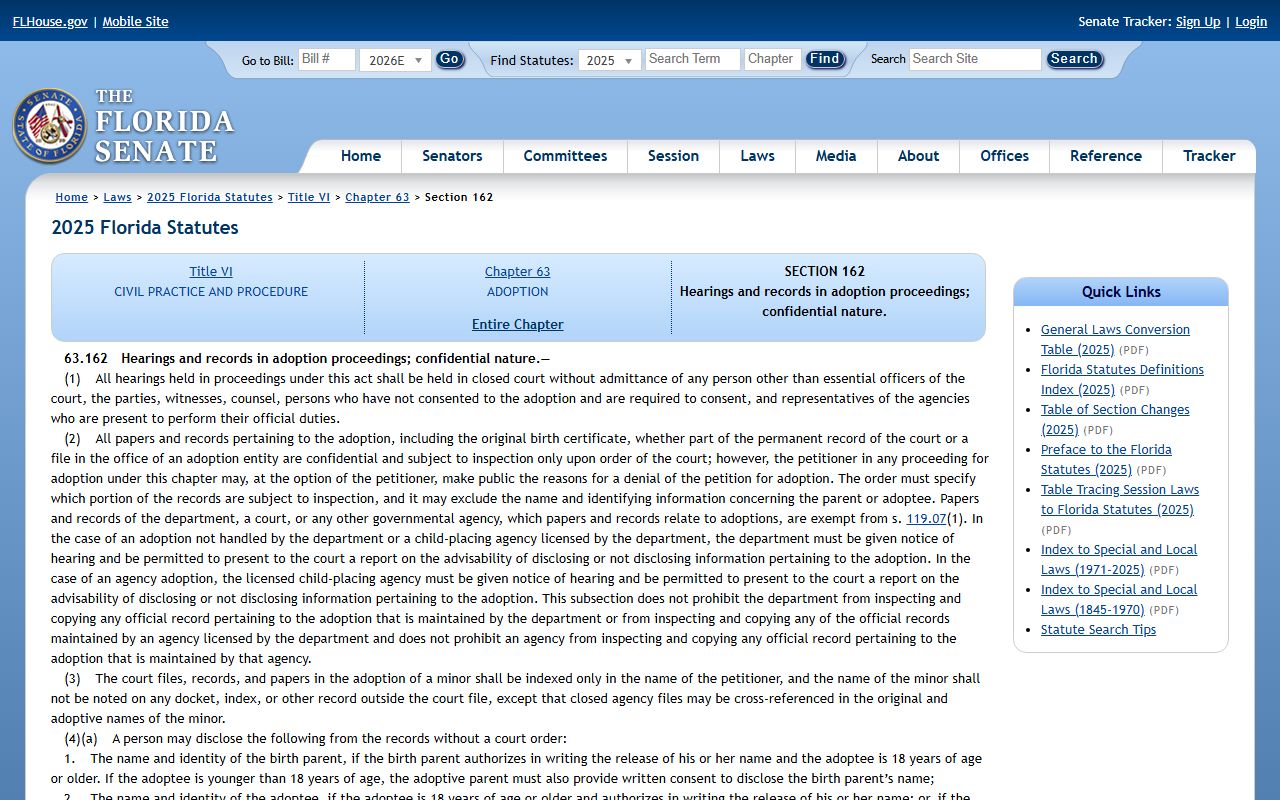
The adoption confidentiality statute keeps these files closed in most cases. Mental health clinical records follow a separate rule. The next image shows that statute.
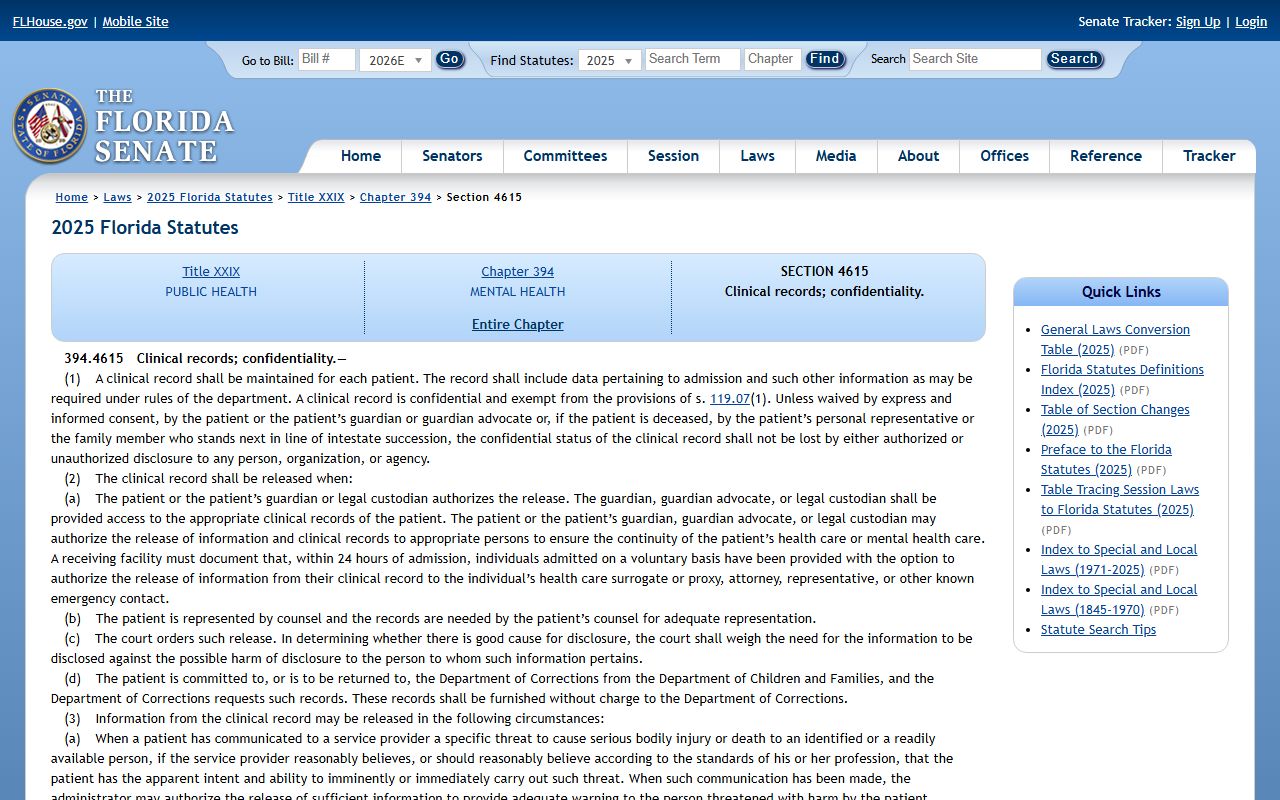
The mental health records statute guards clinical files tied to incapacity and treatment. To view a restricted record, an authorized party usually must ask the court for access.
Probate Filing Fees
The Clerk charges set fees for probate filings, copies, and certifications. Florida fixes many clerk charges under Fla. Stat. § 28.24. The exact amount depends on the case type and the service. Summary administration and formal administration carry different filing fees. Totals can change, so check the current Clerk fee page before you pay. The table groups the common charges by category.
| Category | Source |
|---|---|
| Probate filing fees | Statutory filing fees set by Florida law, varying by case type |
| Summary vs formal administration | Different fee tiers under the clerk fee schedule |
| Plain copies | Clerk fee schedule under § 28.24 |
| Certified copies | Clerk certification fee; eCertified option online |
| Recording fees | § 28.24 plus documentary stamp and recording taxes where applicable |
A viewing fee and a certified copy fee are not the same. Certified copies always cost more because the Clerk attests to them. For estate and tax matters that need court-ready proof, plan on a certified copy.
Wills, Trusts, and Safekeeping
The Clerk handles more than active estate cases. A person can deposit a will with the Clerk for safekeeping during their lifetime. After death, that will is filed and may open a probate case. Benchmark lists Wills for Safekeeping and Safety Deposit Box among its case types.
Trusts also appear in the system. A Notice of Trust marks that a trust exists for a person who has died. Trust and Trust Litigation case types cover disputes over how a trust is run or how assets pass. A Petition to Admit Foreign Will to Record lets a will probated in another state be recorded here. Caveats let an interested party ask for notice before a will is admitted. Each of these is searchable through the same case portal.
Certified Copies of Probate Records
A screen print is not proof for legal use. Banks, title companies, and other courts want a certified copy. The Clerk attests that a certified copy matches the official record. You can order one at the counter or online.
The Clerk offers an eCertified copy service for many records. The image below shows the federal Middle District of Florida court, a separate system that handles federal matters tied to the county.
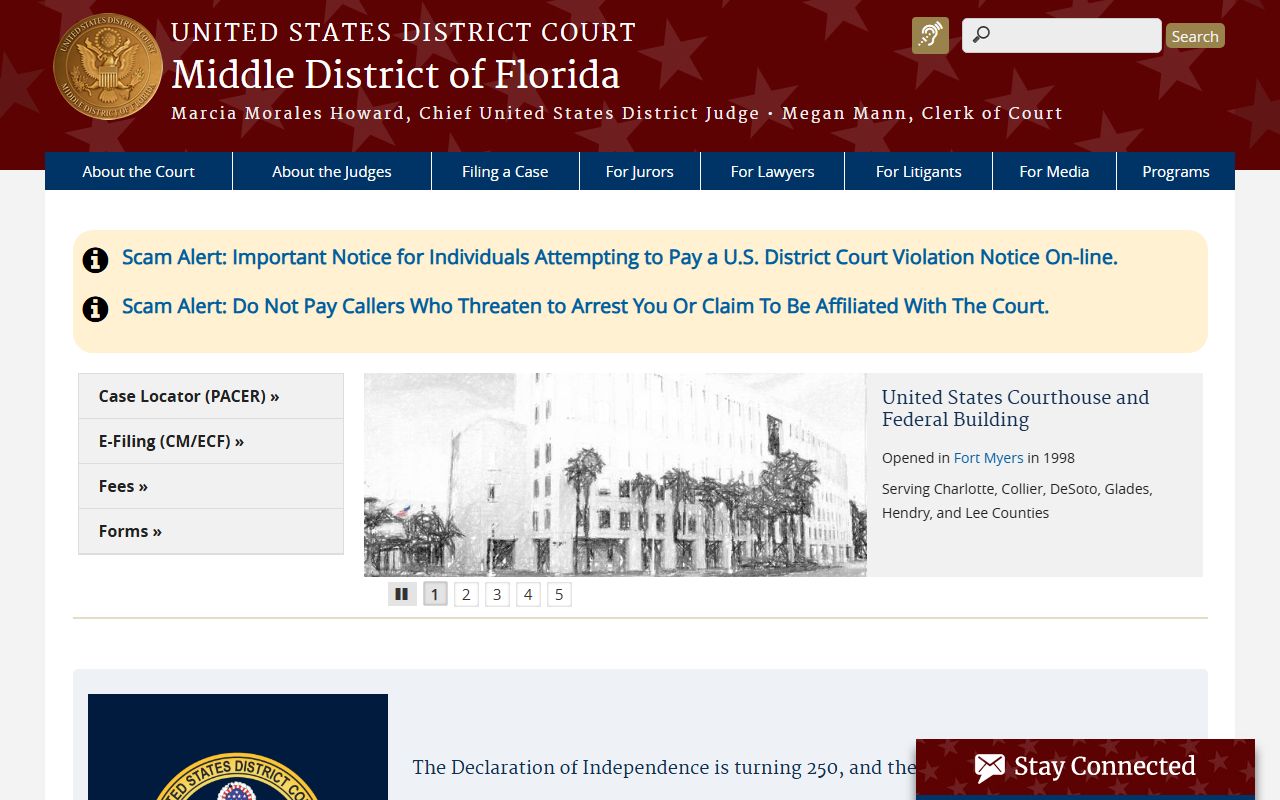
Order documents through the eCertified copy order page. Note that probate is a state court matter. Federal cases tied to Osceola County are filed in the Middle District of Florida, not the probate division. Those are not probate files at all.